A practical Everest Base Camp trek guide covering itinerary length, acclimatization, difficulty, altitude, best seasons, packing, permits, and responsible trip planning.
Guide 01
How many days does Everest Base Camp need?
A sensible Everest Base Camp itinerary protects acclimatization rather than racing to the destination. Most complete routes require around two weeks from Kathmandu, depending on flight arrangements, rest days, side hikes, and the return schedule.
Acclimatization days in places such as Namche Bazaar and Dingboche are active rest days. Gentle hikes help the body adjust and give guides a chance to monitor how each traveler is responding to altitude.
Guide 02
Understanding the route and altitude
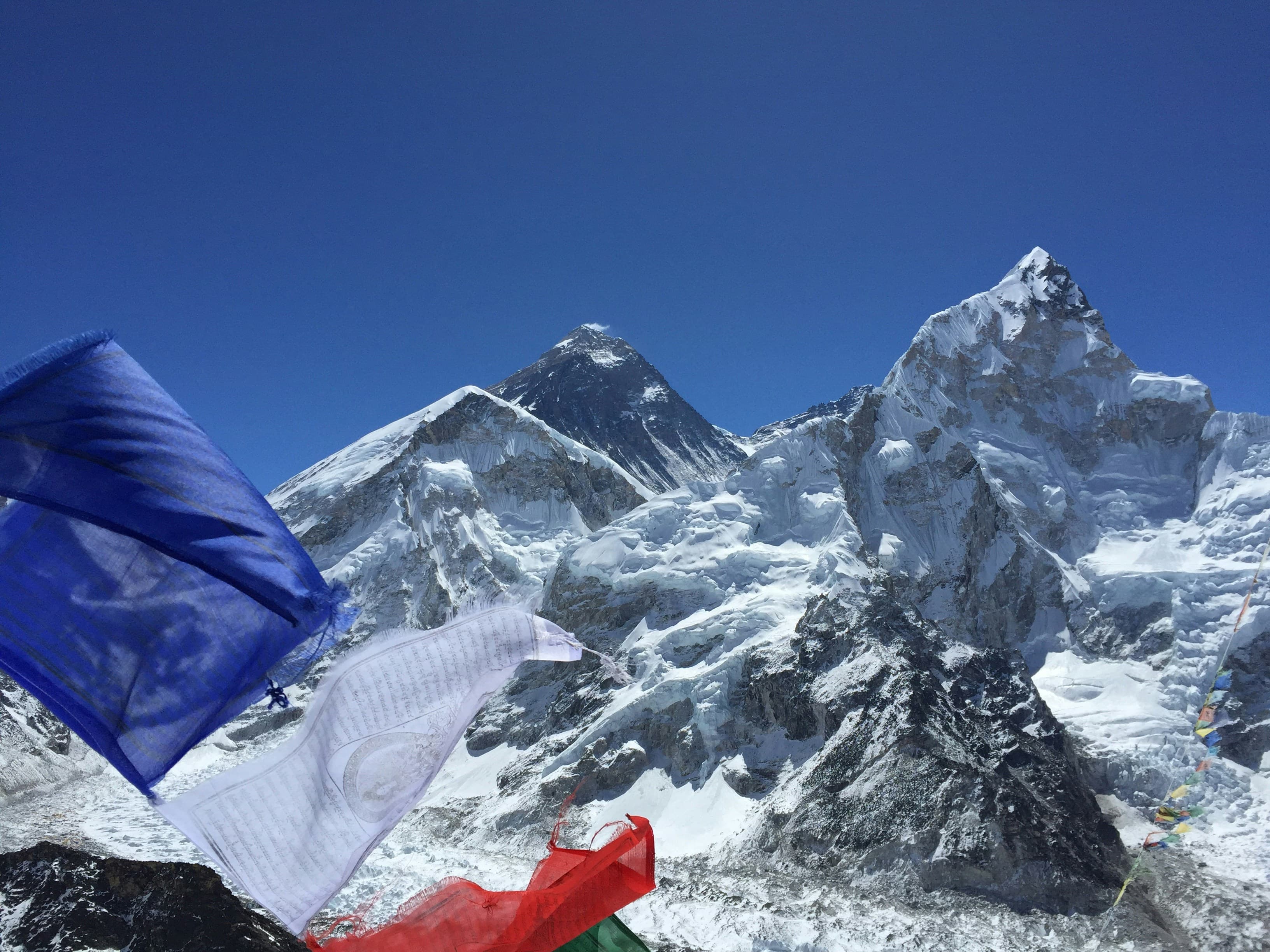
The classic route follows the Dudh Koshi valley through Sherpa settlements and monasteries toward Namche Bazaar, Tengboche, Dingboche, Lobuche, Gorak Shep, and Everest Base Camp. Kala Patthar is commonly added for a panoramic Everest view.
The sleeping elevation rises significantly after Namche. Pace, hydration, appetite, sleep, and honest communication with your guide matter more than speed. Descent is the correct response when serious altitude symptoms develop.
- Walk at a sustainable conversational pace
- Keep acclimatization days in the schedule
- Carry water and eat consistently
- Tell your guide about symptoms early
- Allow weather flexibility for mountain flights
Guide 03
How difficult is the EBC trek?
Everest Base Camp is challenging because of duration, repeated walking days, cold, uneven trails, and reduced oxygen—not technical climbing. Previous multi-day hiking experience is helpful, but structured preparation can make the route achievable for many fit travelers.
Training should combine steady cardiovascular work, stairs or hills, leg and core strength, and long walks carrying a light day pack. The aim is durability over consecutive days rather than sprint-level fitness.
Guide 04
Best time for Everest Base Camp
Spring and autumn are the most popular seasons because they often provide a useful balance of trail access, mountain visibility, and established lodge operations. Winter can bring cold and snow, while summer monsoon conditions can affect visibility, trails, and flights.
No season guarantees perfect conditions. Build buffer time into your Nepal schedule, especially around flights to and from the mountain airstrip.
Guide 05
Packing and choosing a trek operator
Prioritize broken-in boots, moisture-managing layers, insulation, a weatherproof shell, warm gloves and hat, UV-protective eyewear, sun protection, a reliable sleeping bag, water treatment, and a well-fitted day pack.
Choose an operator that explains acclimatization, guide support, emergency procedures, porter arrangements, inclusions, and insurance requirements clearly. A good itinerary should be readable before you pay a deposit.