Explore Nepal Hindu pilgrimage planning for Pashupatinath, Muktinath, Manakamana, and Janakpur, including route design, seasons, access, altitude, and practical preparation.
Guide 01
Building a meaningful Nepal pilgrimage
Nepal's sacred geography ranges from Kathmandu Valley temples to Himalayan pilgrimage sites. A coherent route respects worship time, road conditions, altitude, and the needs of older family members rather than treating temples as a rapid checklist.
Pashupatinath often anchors the journey in Kathmandu. Muktinath adds a dramatic high-altitude setting, while Manakamana and Janakpur can be included according to available days and spiritual priorities.
Guide 02
Pashupatinath and Kathmandu sacred sites
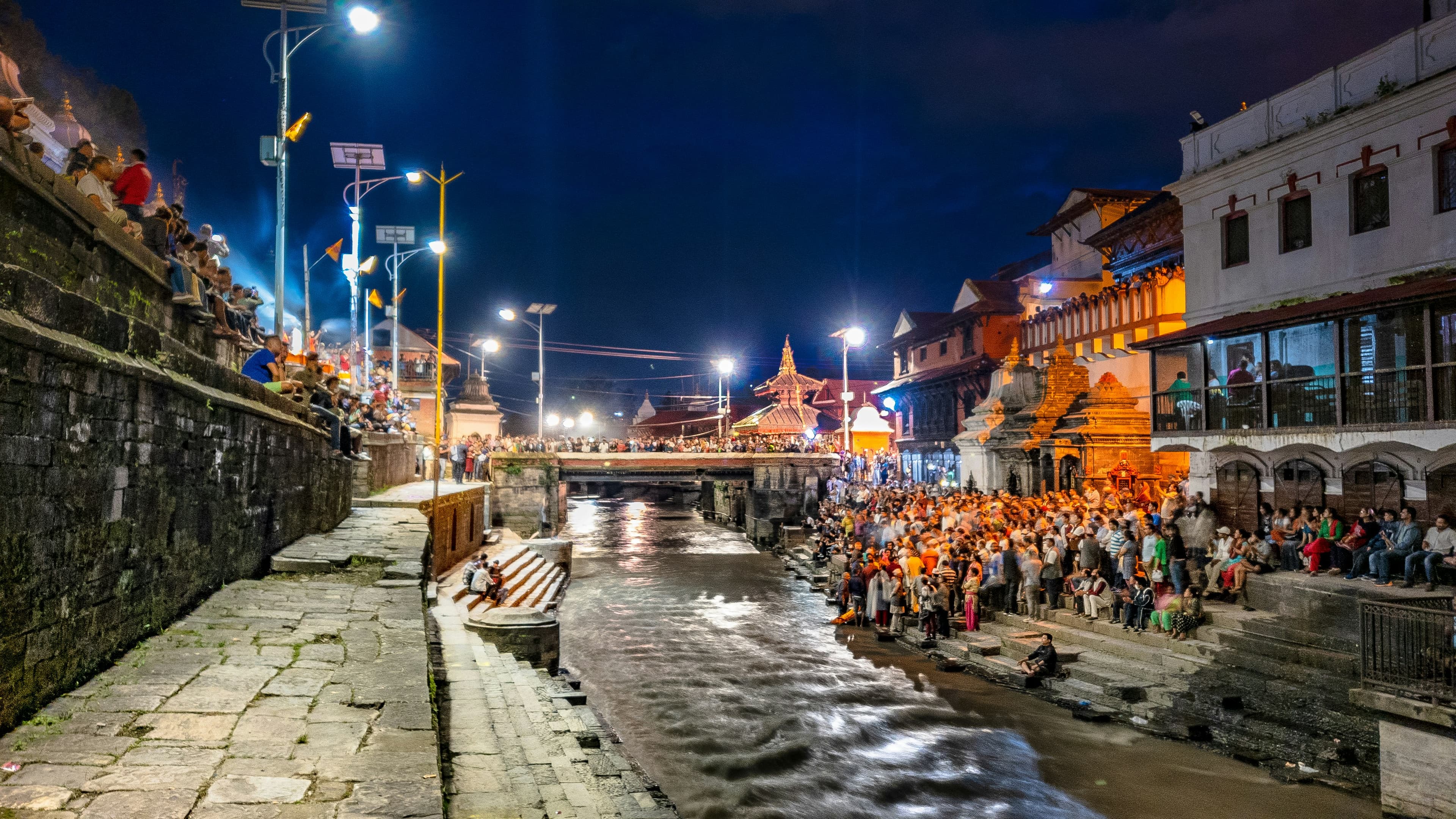
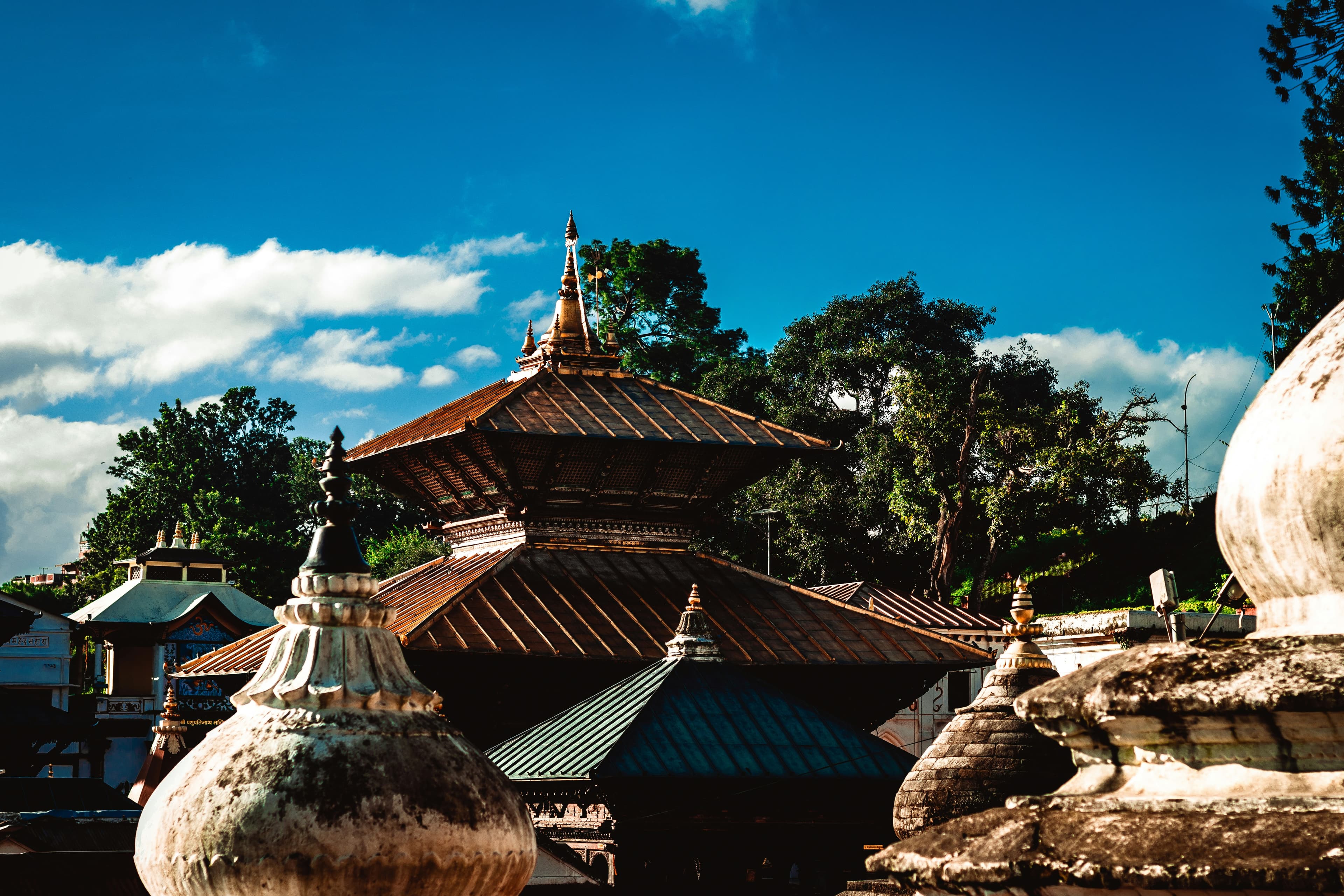
Pashupatinath is one of the most important Shiva temples and a living ritual complex. The broader Kathmandu program may include Budhanilkantha, Guhyeshwari, Doleshwar, or other sites selected with the group.
Temple access rules, photography limits, dress, and ritual etiquette should be understood before arrival. A knowledgeable local guide helps visitors navigate the complex respectfully.
Guide 03
Planning Muktinath safely
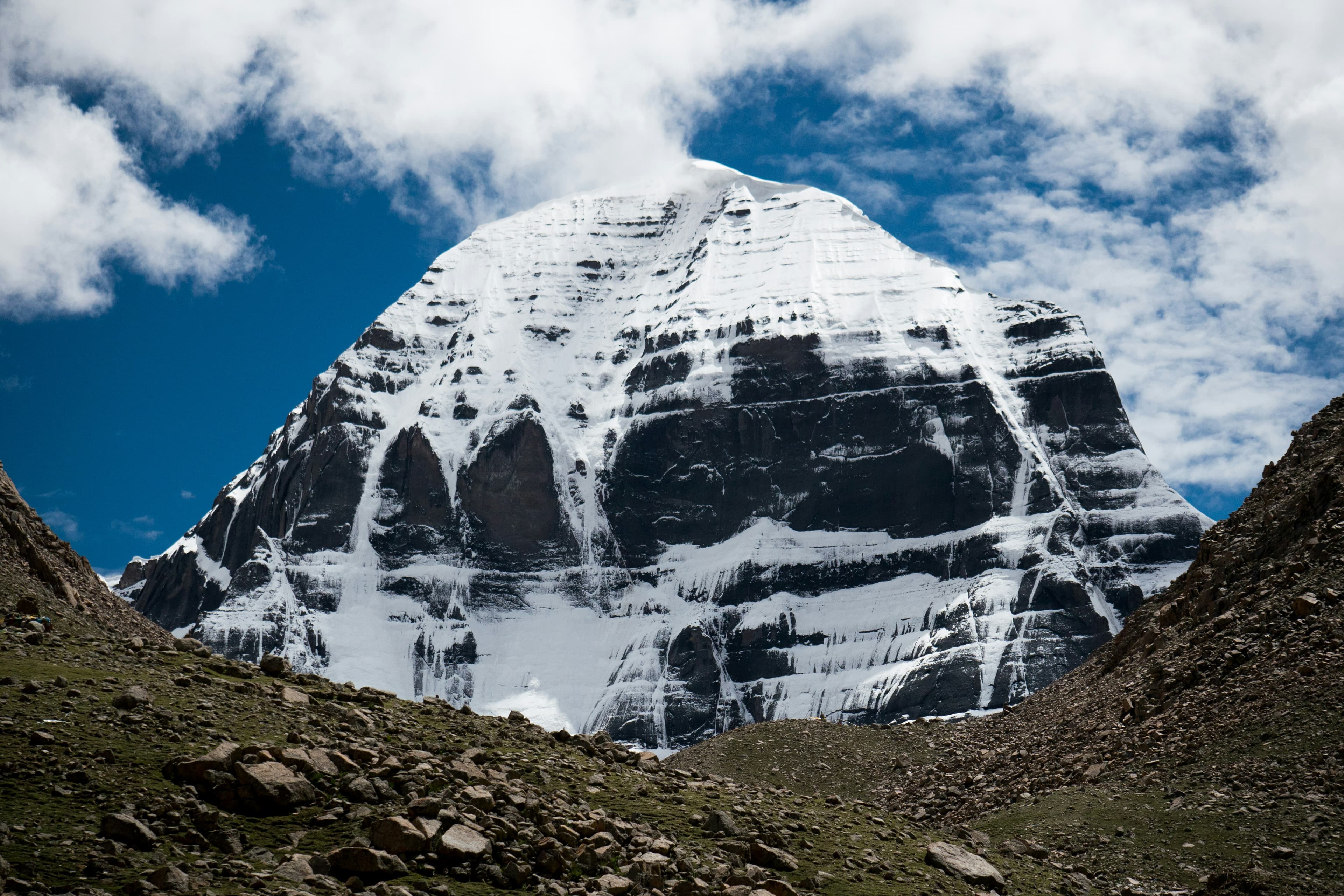
Muktinath lies at approximately 3,800 metres in Mustang. Access often combines travel through Pokhara with a flight or overland connection toward Jomsom and onward local transport. Weather can affect mountain flights and road timing.
Travelers should prepare for cold, wind, steps, uneven ground, and altitude. Anyone with relevant health concerns should seek medical advice and discuss mobility requirements with the operator.
Guide 04
How long should the pilgrimage be?
A focused Pashupatinath and Kathmandu pilgrimage can fit into a short visit. Adding Manakamana and Muktinath normally benefits from a week or more, while Janakpur or other sacred regions require additional travel time.
Keep a weather buffer around Muktinath and avoid connecting directly from a variable mountain sector to an inflexible international departure.
Guide 05
Private groups, meals, and support
Family and community pilgrimage groups often need coordinated rooms, vegetarian meals, baggage assistance, early starts, and flexible worship time. These details should be planned before deposits are collected.
Gochali can design private departures around group size, hotel comfort, vehicle type, temple priorities, and mobility needs while keeping a single Kathmandu coordination team.